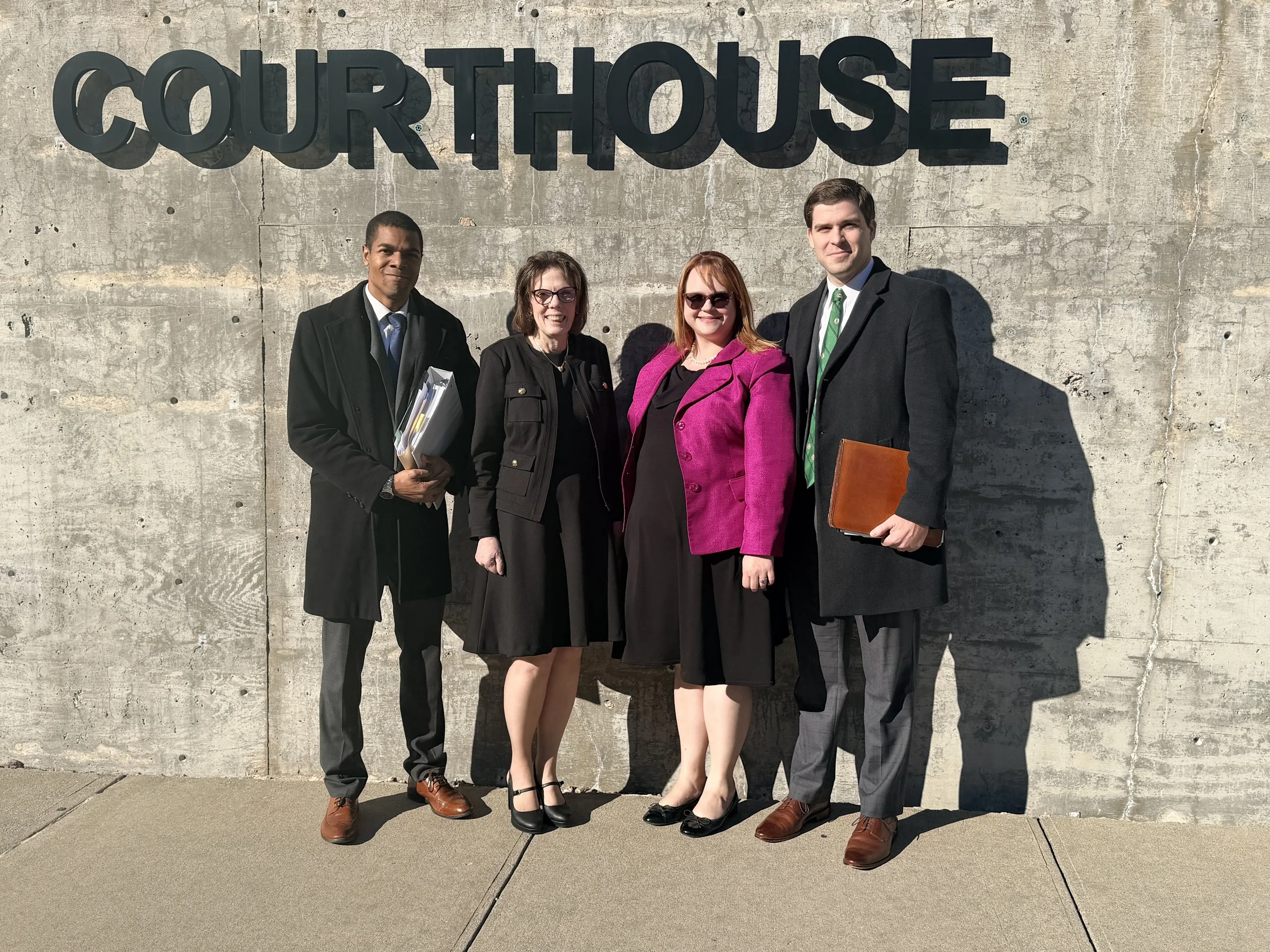
On the other side of the courtroom were lawyers from the Attorney General's office, representing the defendants, along with the intervenor, Virginians for Reproductive Freedom and the Tazewell County attorney.
Here's what happened, and why we believe the law is on our side.
Virginia law required that copies of the proposed amendment be sent to the local clerks of court to be posted. During the hearing, all parties agreed that House Clerk Nardo failed to send them.
That's not our claim alone. It was agreed to in open court.
What's the point of the required local posting anyway? To amend Virginia's Constitution, the General Assembly first proposes the amendment with a majority vote. Next, there must be an intervening election of the legislature, which allows citizens of Virginia to choose different elected officials if they don't want to see that proposed amendment affirmed and sent to the people for a vote the following year. Posting the Abortion Amendment in every locality was how citizens were to be informed that these amendments were coming to their ballots in 2026 if they sent back the same House of Delegates again.
The defendants' answer? They argued that the General Assembly acceptably "ratified" that failure by going back and retroactively changing the law to remove the requirement. In essence, they claimed it doesn't matter when an agent of the General Assembly doesn't follow the law.
FFLC argued what we believe any Virginian can see: the Constitution of Virginia and its connected statutes set out a required process for amending it, and an amendment adopted without following that process cannot stand. The rules can't be rewritten after the fact to cover a step that was skipped. Furthermore, when the General Assembly attempted to remove this requirement, they violated their own single issue rule by jamming this repeal into a bill about other revenue matters.
Beyond procedure, our attorneys argued that the ballot summary was deceptive in four ways.
1) It made a voter believe the amendment could allow limitations on third trimester abortions while it was silently removing existing limitations on it.
2) It failed to put the actual question in the amendment about creating a fundamental right for reproductive freedom in front of the voters, instead asking voters if they want to allow for personal decisions around a subset of reproductive freedom topics like prenatal care and abortion.
3) It did not reveal to the voter that this new constitutional right was not like most we are familiar with in that it is being created with almost no ability for a court to ever put limitations on it. Unlike freedom of speech where citizens know we can not falsely yell “fire” in a crowded building and expect protection, the reproductive freedom being created will be virtually limitless due to the entire amendment’s wording.
4) The amendment protects all individuals who aide or assist someone in their reproductive freedom from penalty, prosecution, or adverse action by the state but the summary, only told the voter that doctors, nurses and patients would be protected. Again, only a subset of the actual protections offered were noted.
If the ballot was materially misleading as FFLC contends, were the voters in a position to make the decisions they wanted to make? Plaintiff Meagan Kade, a Tazewell County resident and member of the Bluefield Town Council, was called to the stand. She answered questions about the harm and the deception of the ballot question that voters saw on November 3.
Regardless of which way a voter intended to vote, a voter must be provided clarity on the question at hand.
Judge Hurley heard argument on four motions, and he will rule on December 4:
Venue: whether Tazewell Circuit Court is the proper court to hear the case.
Sovereign immunity: whether the claims against the state defendants may proceed.
Demurrer: whether the complaint states valid legal claims.
Preliminary injunction: our request to block certification of the amendment while the case is decided.
This case has already cleared real hurdles. In October, the court denied the Commonwealth's motions that sought to prevent a post-election hearing, and this week our attorneys were heard in full.
The central fact is not in dispute. The Constitution's process is clear. And voters, whatever their views, deserved a ballot question that told them the truth. We are confident that the law, the facts and the Constitution are on the side of the plaintiffs, and we believe justice will prevail.
Stand with us in prayer before December 4
The days ahead matter. Here's how you can help:
Pray for Judge Hurley, for our attorneys, and for the plaintiffs.
Share this update so more Virginians know what happened in court.
Support the Founding Freedoms Law Center as we carry this fight forward.